
RISK TOUCHES ALL OF US

The 14th Caribbean Conference On Comprehensive Disaster Management (CDM14)

Checkpoint 2026 – Resilient Sectors, Sustainable Communities, Safer States

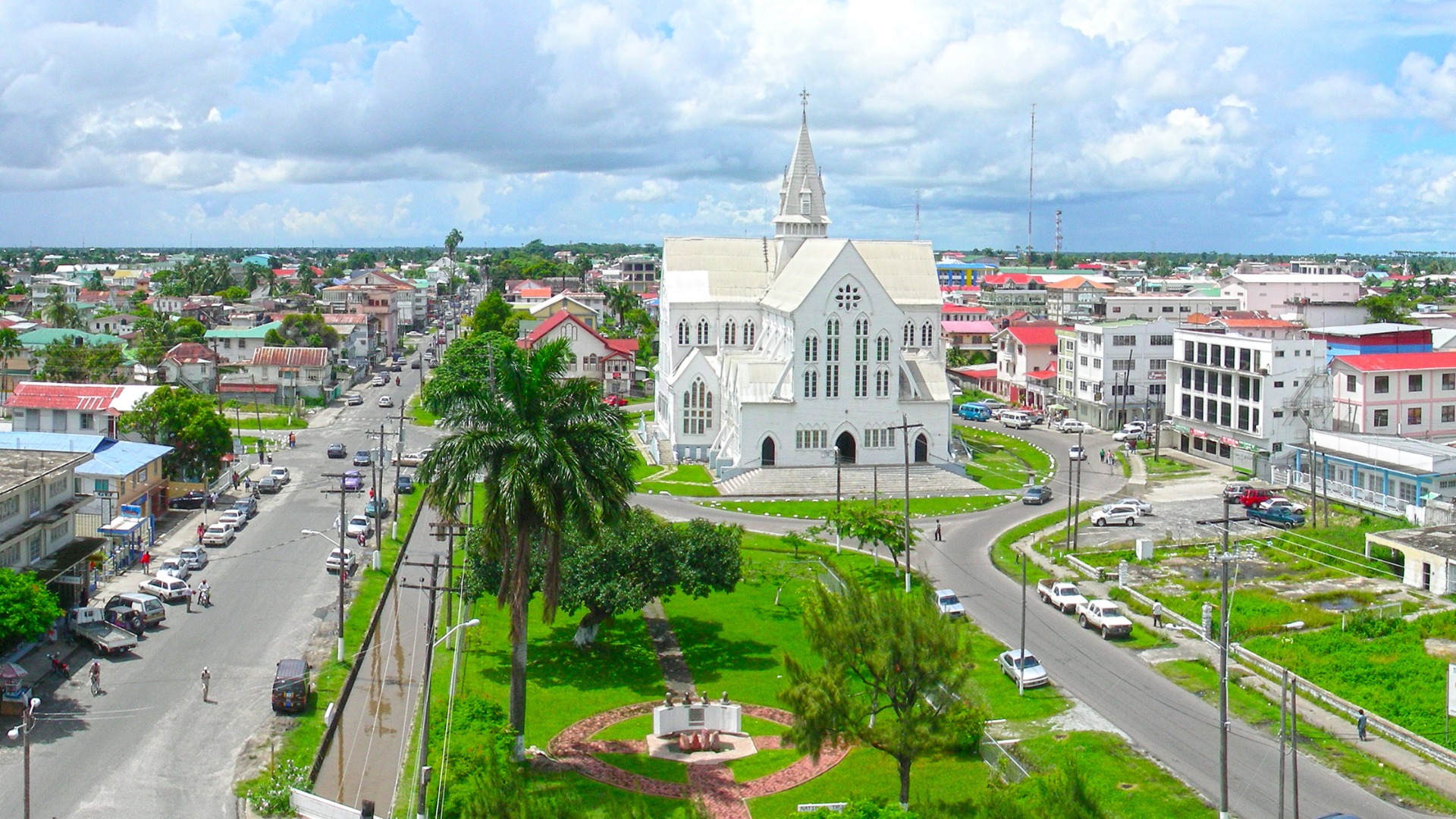
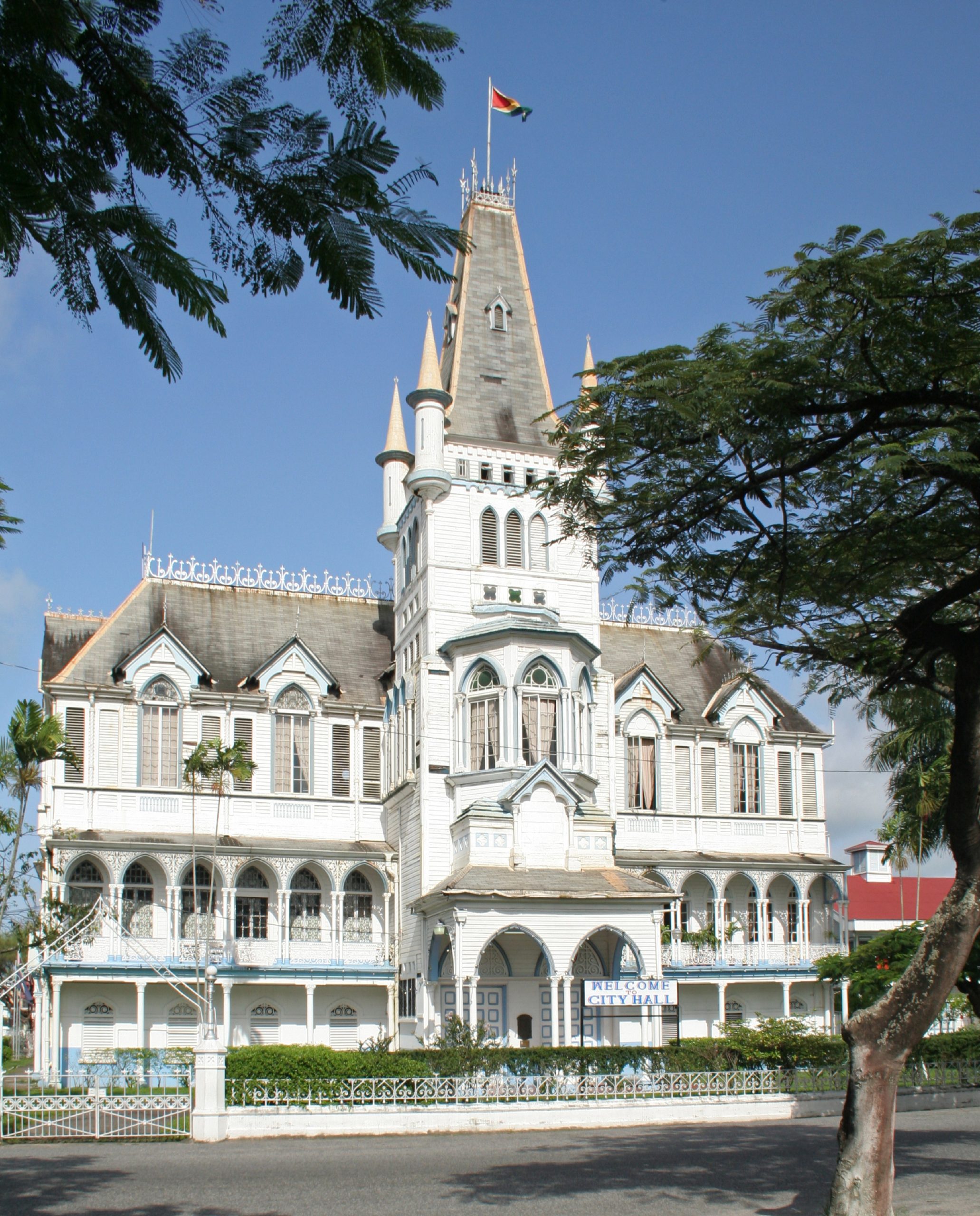
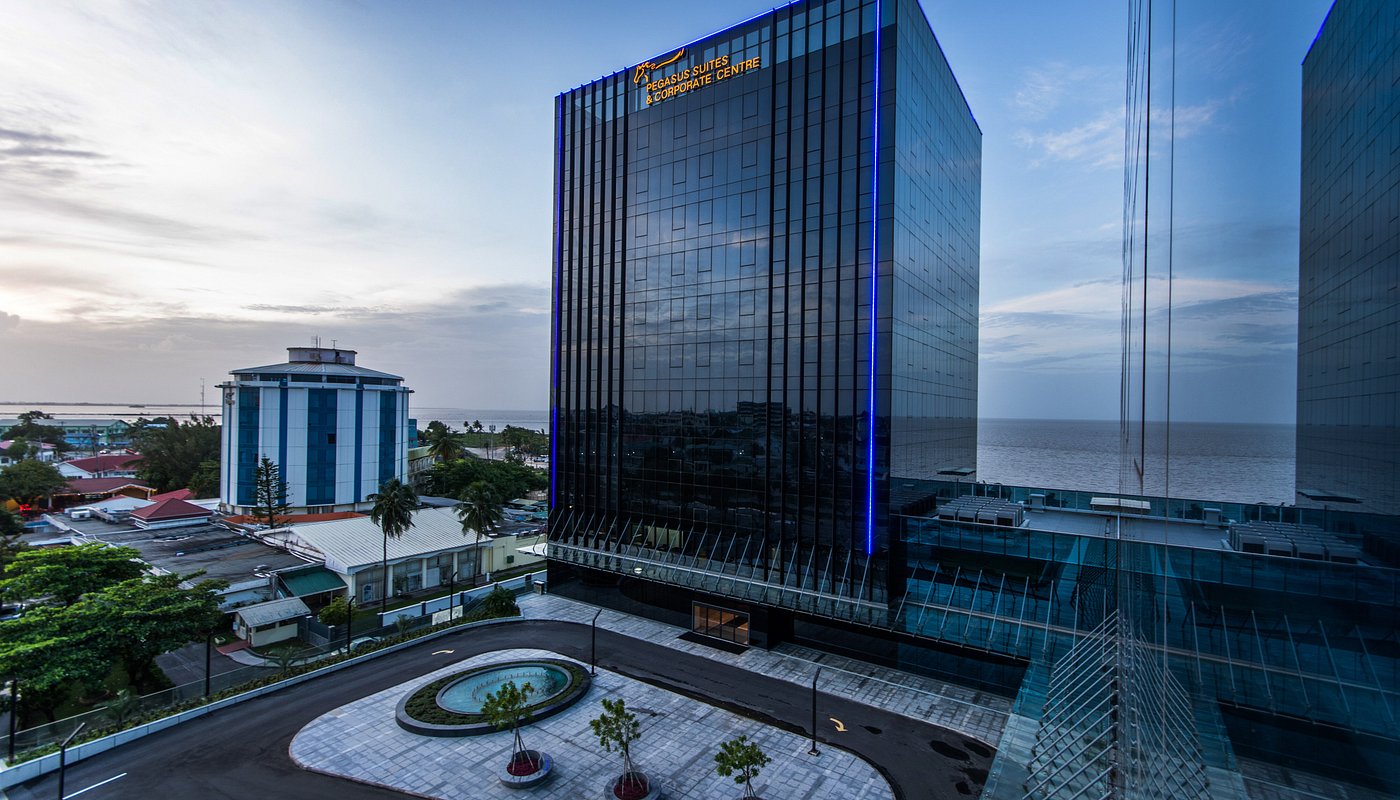
Pegasus Suite & Corporate Center, Georgetown, Guyana

December 7-12, 2026

Our Introduction

ABOUT CDM 14

CDM 14 is the Caribbean’s premier conference on disaster risk management, convening policymakers, development partners, private sector leaders, and technical experts to address the region’s most pressing resilience challenges.

Through collaboration, innovation, and strategic dialogue, CDM 14 drives actionable solutions that strengthen disaster preparedness and sustainable development across the region.

10,000 +

Attendees

100 +

PARTNERS

400 +

SPEAKERS

70 +

COUNTRIES

ABOUT US

Authority & Invitation

Read More Example

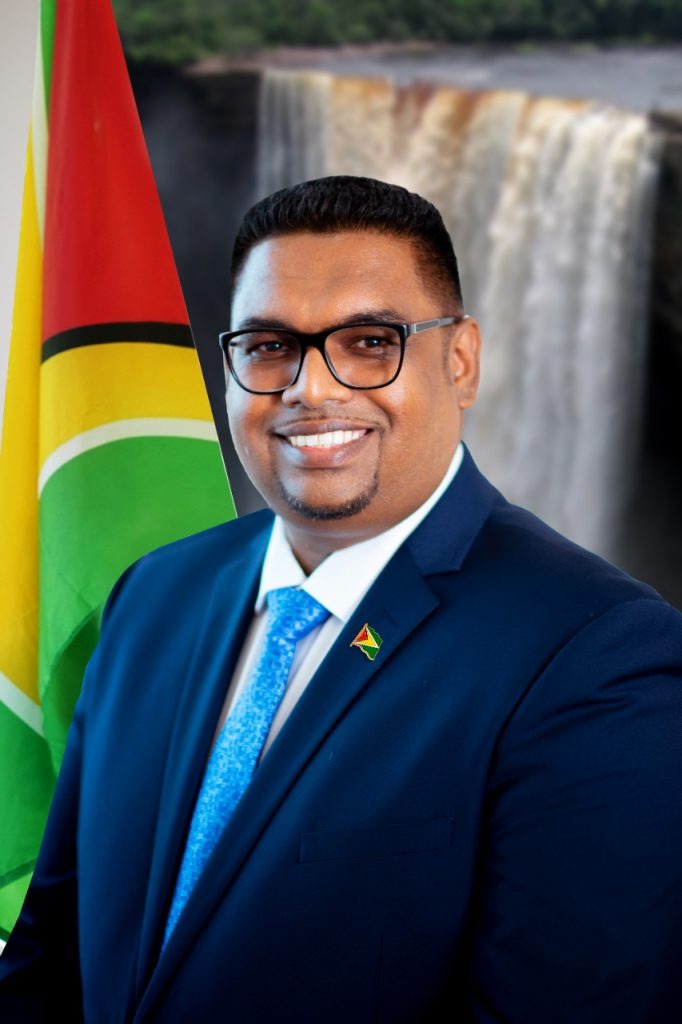
The Caribbean stands at a defining moment. Across our region, disasters are no longer isolated events; they are recurring realities that test our economies, our infrastructure, and the resilience of our people. How we respond will determine the safety and sustainability of our future. Guyana is honoured to host the 14th Caribbean Conference on Comprehensive Disaster Management at a time when the region must move decisively from discussion to coordinated action. As a country undergoing rapid economic transformation while strengthening resilience across critical sectors, Guyana offers a timely and relevant setting for this important regional dialogue. CDM 14 provides a vital platform for governments, development partners, the private sector, and communities to come together, confront shared risk, and accelerate practical solutions that protect lives and livelihoods across the Caribbean. I strongly encourage regional and international partners, investors, practitioners, and advocates for resilience to join us in Guyana as we work collectively to build a safer, stronger, and more resilient Caribbean.

Read More

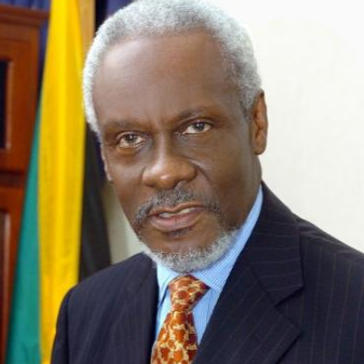
- H.E. Dr. Mohamed Irfaan Ali, President of the Cooperative Republic of Guyana

The 14th Caribbean Conference on Comprehensive Disaster Management (CDM14)

conference agenda

Day 1 – Opening, Governance & Resilience Systems

Theme: Checkpoint Zero – The Melissa Test: When Recovery Collides with the Next Season

DAY 1

09:00 AM – 09:45 AM

OPENING CEREMONY
  • Session Title: Opening Ceremony + Cultural Segment: “Resilience Is Identity”
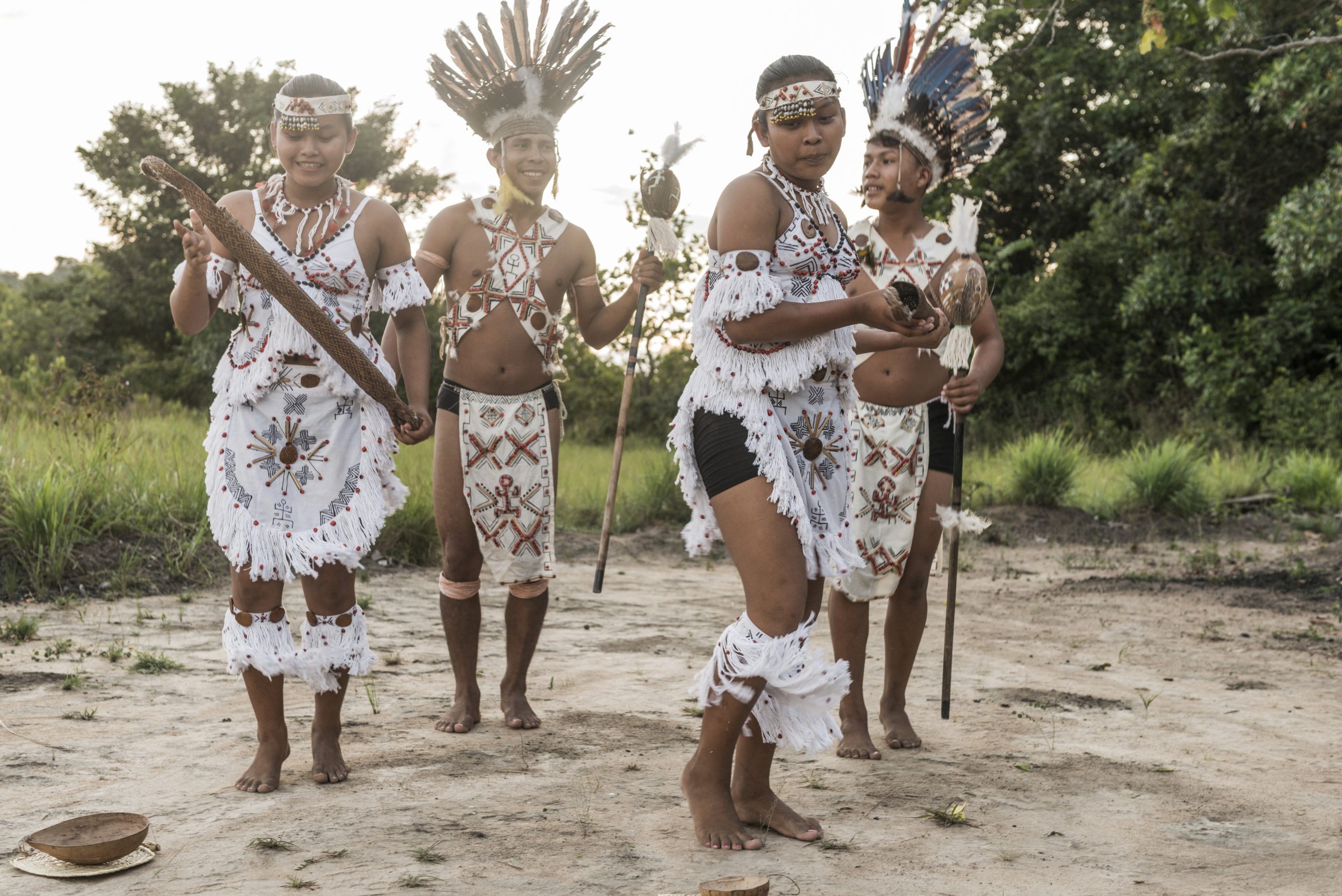
CDM 14 opens by framing resilience not as a technical exercise, but as a matter of identity, sovereignty, and survival. The Caribbean’s lived experience of repeated shocks has exposed the unsustainability of linear recovery models. The ceremony integrates cultural performance to underscore that heritage, community, and continuity are foundational to resilience, not peripheral. Read More

DAY 1

09:45 AM – 10:15 AM

OPENING KEYNOTE
  • Session Title: From Vulnerability to Strategic Power: How the Caribbean Builds Resilient States in an Age of Permanent and Evolving Risk
In this forward-looking keynote, President Ali will examine how the Caribbean can reposition itself from being defined by vulnerability to asserting strategic power in a world shaped by climate shocks, economic volatility, and geopolitical uncertainty. Moving beyond traditional disaster response, he will explore how resilient states are intentionally built through integrated policy, climate-smart infrastructure, energy security, digital transformation, and regional coordination. The address will challenge leaders to treat resilience not as a defensive posture, but as a platform for competitiveness, sovereignty, and long-term prosperity in an era of permanent risk. Read More

DAY 1

10:15 AM – 10:45 AM

FEATURE SESSION
  • Session Title: Resilience Innovation Village: Opening + Walkthrough
The Resilience Innovation Village is officially opened with a guided introduction to scale-ready technologies, applied research, community-driven models, and private-sector tools aligned to CDM priorities. Delegates are oriented toward the Village as a working extension of the Conference, where partnerships can be formed and solutions matched to sector needs. Read More

DAY 1

10:45 AM – 11:15 AM

NETWORKING COFFEE

DAY 1

11:30 AM – 12:30 PM

PLENARY SESSION
  • Session Title: After-Action Governance in an Era of Escalating Regional Shocks
This plenary examines how recent extreme weather events across the Caribbean — including Hurricane Melissa (2025), Hurricane Beryl (2024), severe flooding episodes in Barbados and the Eastern Caribbean, and other high-impact storm systems — have exposed structural pressures within disaster governance systems. These events, occurring in rapid succession and often overlapping with ongoing recovery efforts, have strained fiscal space, disrupted infrastructure endurance, and tested institutional coordination at national and regional levels. Rather than recounting impact statistics, the discussion focuses on systemic performance: where response systems held under pressure, where delays occurred in disbursement or logistics, how utilities and public services coped with cascading failures, and how preparedness cycles were compressed by repeated hazard exposure. By examining governance lessons emerging across several recent Caribbean events, the session will identify reforms required to strengthen financing activation, infrastructure continuity, inter-agency coordination, and accountability mechanisms — ensuring that regional systems are designed to withstand recurrent and multi-hazard shocks rather than single-event crises. Read More

DAY 1

12:30 PM – 01:30 PM

NETWORKING LUNCH

DAY 1

01:45 PM – 02:45 PM

HIGH-LEVEL PANEL (with Youth)
  • Session Title: Early Warnings to Early Action: Governance, Investment, and Behavioural Execution
Despite major investments in multi-hazard early warning systems across the Caribbean, disaster losses continue to rise — revealing a persistent gap between alert issuance and protective action. This high-level panel shifts the conversation from technology to execution. It interrogates how governance structures, financing mechanisms, institutional protocols, and behavioural dynamics determine whether warnings translate into timely school closures, health system surge activation, evacuation compliance, and community-level preparedness. Rather than asking whether alerts were sent, the discussion examines who received them, who trusted them, who could act, and what institutional triggers failed to activate when minutes mattered most. Bringing together policymakers, technical agencies, educators, health leaders, and youth representatives, the session explores how to institutionalise early action through pre-agreed financing triggers, local government activation protocols, community-based response networks, and behaviourally informed risk communication strategies. Youth voices contribute lived experience and insight into trust, misinformation, and digital engagement, challenging conventional top-down warning models. The objective is to reframe early warning systems as integrated governance ecosystems — where investment, accountability, and community trust converge to reduce exposure, protect livelihoods, and measurably shorten recovery timelines. Read More

DAY 1

02:45 PM – 03:00 PM

AFTERNOON COFFEE

DAY 1

03:10 PM – 04:15 PM

CONCURRENT SESSIONS
  • Session A Title: Critical Social Infrastructure: Schools & Hospitals That Must Not Fail
Schools and hospitals are more than public facilities — they are stabilising anchors during crisis and recovery. Yet across the Caribbean, these institutions remain highly exposed to structural damage, utility failure, supply chain breakdowns, and prolonged downtime after major shocks. This session examines what it truly means for social infrastructure to be “non-negotiable” in disaster contexts. Moving beyond compliance with building codes, the discussion focuses on operational endurance: how schools resume learning within days, how hospitals sustain critical care under surge conditions, and how systems are designed to function even when power, water, and logistics networks are compromised. Panelists will explore retrofit financing, modular construction, decentralised energy integration, digital learning redundancy, medical supply chain buffering, and interoperable health data systems that support continuity under stress. Innovation will be framed not as optional enhancement, but as a necessity for resilience. The objective is to shift the region’s approach from rebuilding after failure to engineering continuity by design, ensuring that education and health services remain functional pillars of societal stability when the next disaster strikes. Read More
  • Session B Title: Tourism Operations & Workforce Endurance: Securing the Sector’s Frontline
This session isolates the “on-the-ground” reality of managing a destination during a crisis. It focuses on protecting the workforce, securing physical assets (hotels, ports), and managing brand reputation immediately after an impact to prevent a total shutdown of the sector. Read More

DAY 1

07:00 PM – 09:00 PM

COCKTAIL RECEPTION – PARTNER NETWORKING

What to Expect

KEY FEATURES OF THE EVENT

Embark on a transformative journey at the 14th Caribbean Conference on Comprehensive Disaster Management (CDM14). Here’s what awaits you

OUR SPEAKERS

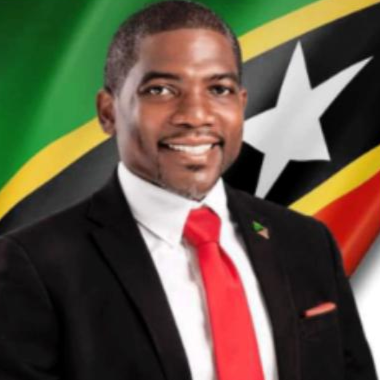
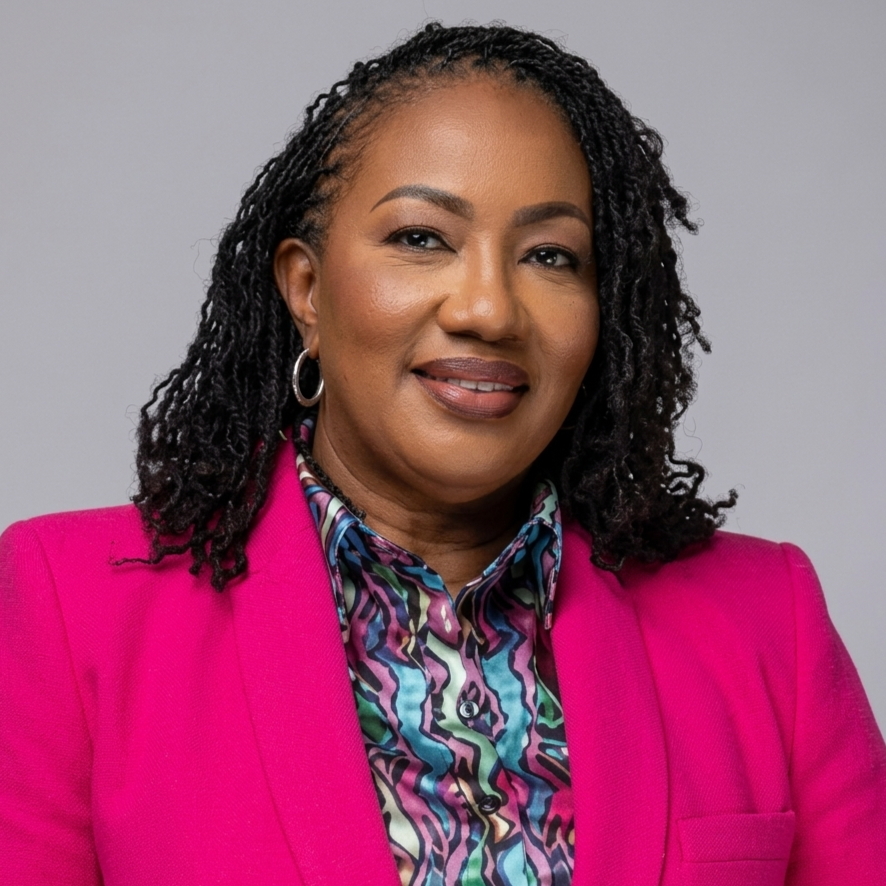
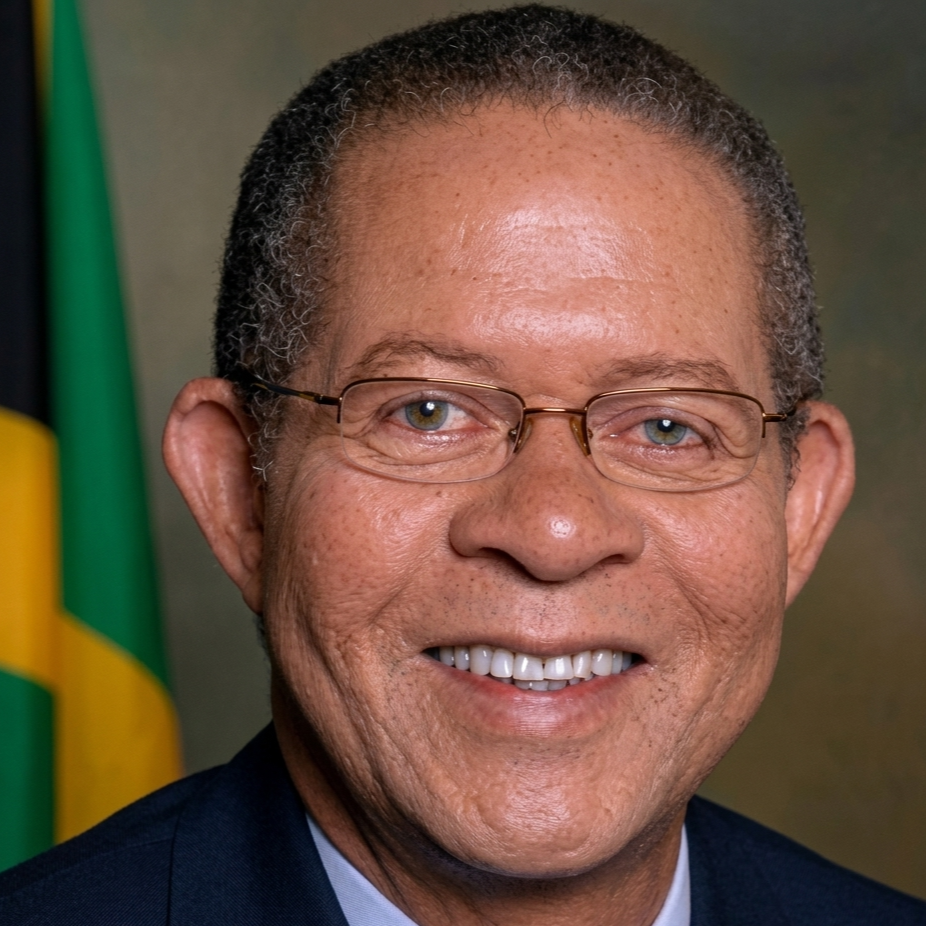
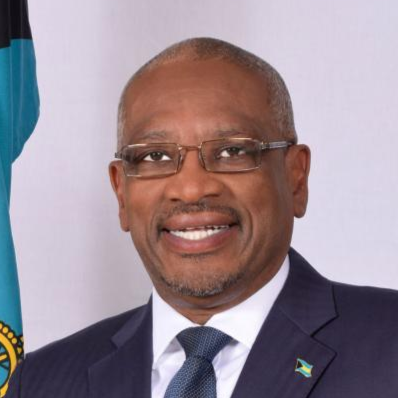
Past CDM Keynote Speakers

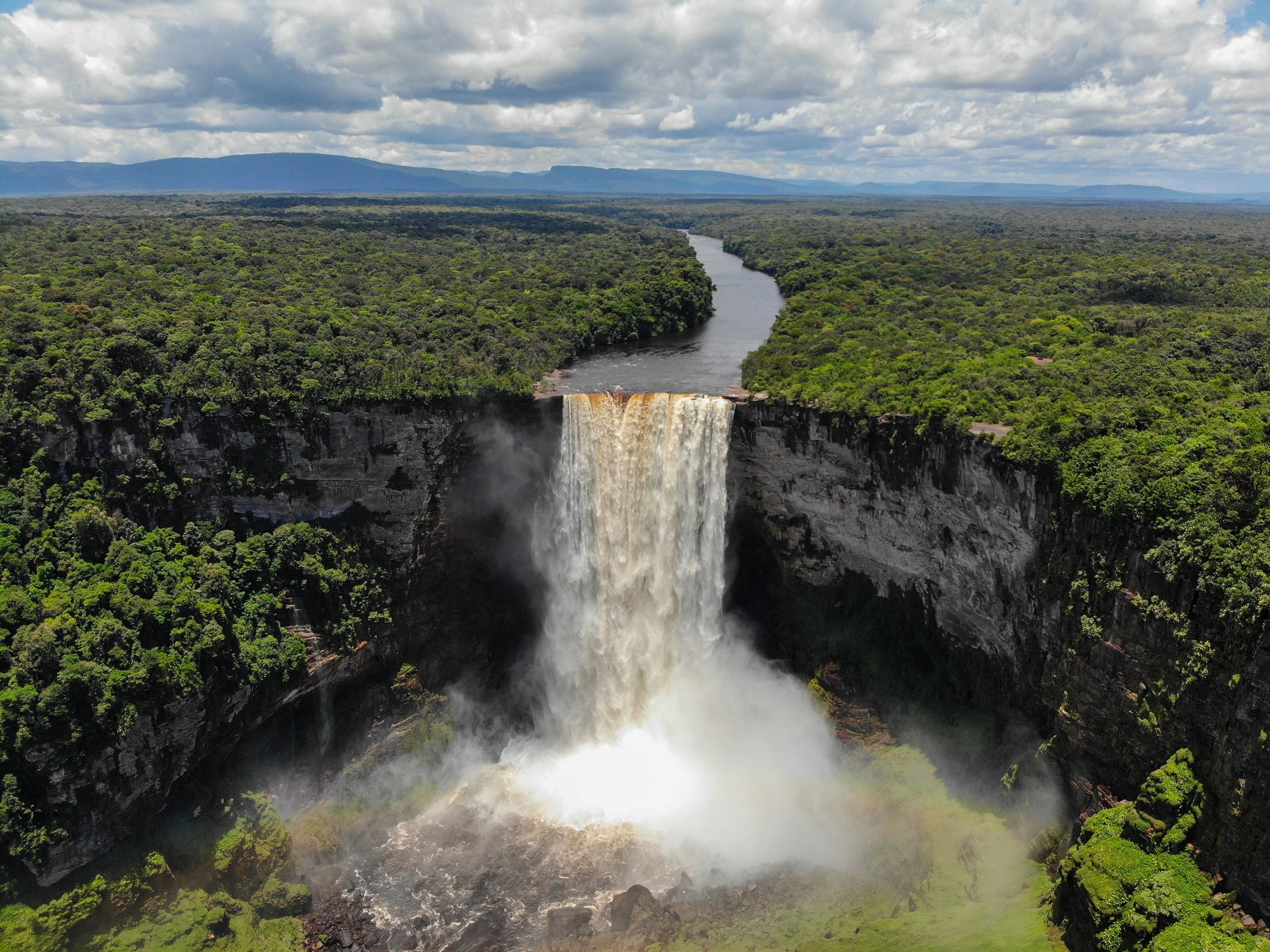
GUYANA'S TOUR EXPERIENCES

MORE THAN JUST A CONFERENCE

Spotlight on curated delegate experiences

Our Strategic Partners and Supporters of the CDM Conference

Our Current partners

Our current partners play a vital role in advancing the success of CDM conferences. Their ongoing support reflects a shared commitment to resilience, innovation, and regional collaboration.”

Default Title
Item 3
Item 4
Item 1
Item 5
Item 5
Item 6
Item 2

Our Supporting Partners

Item 1
Item 3
Item 2

Venue & Accommodation

VIEW OUR GALLERY

experience cdm through our lens

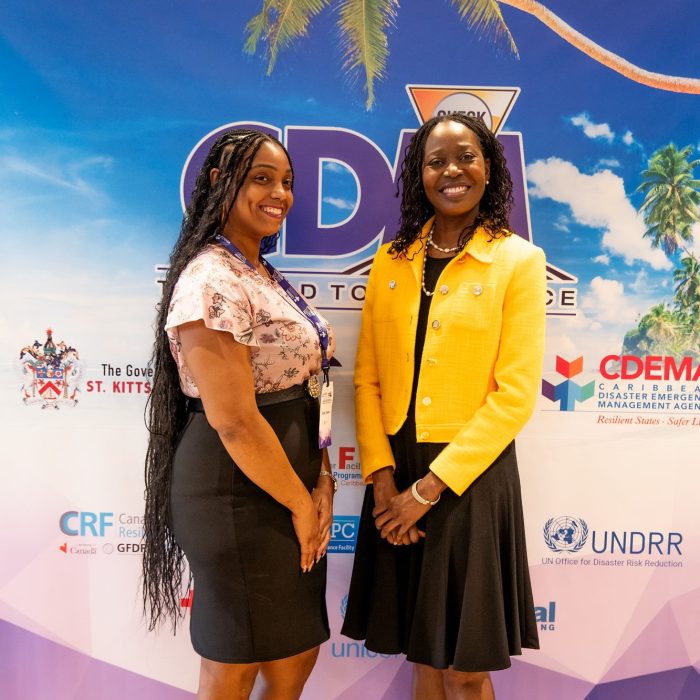
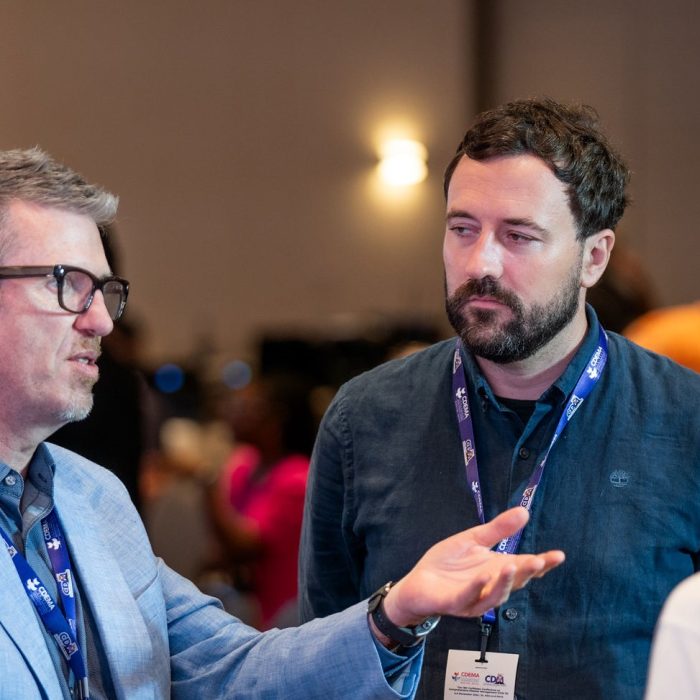
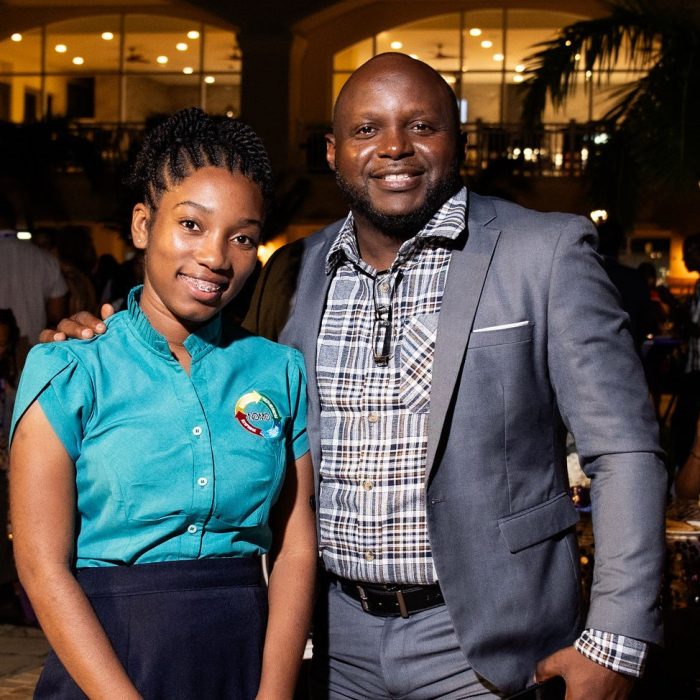
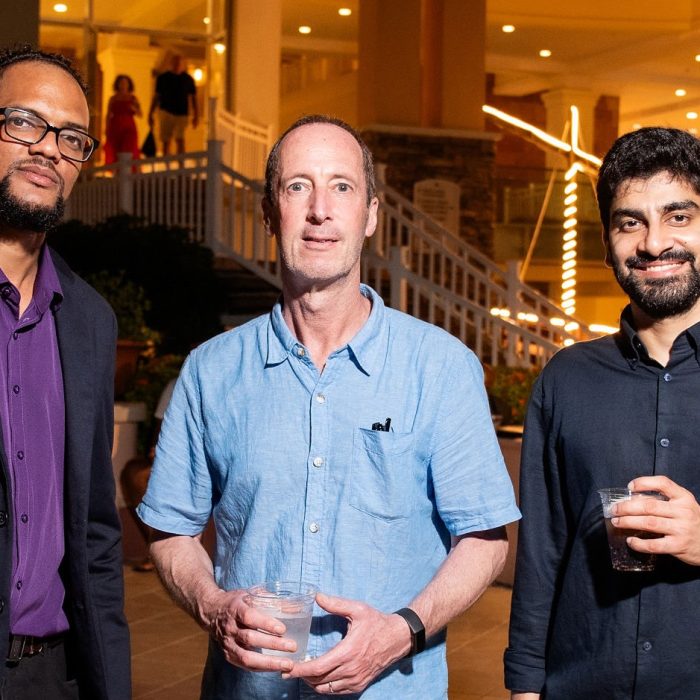
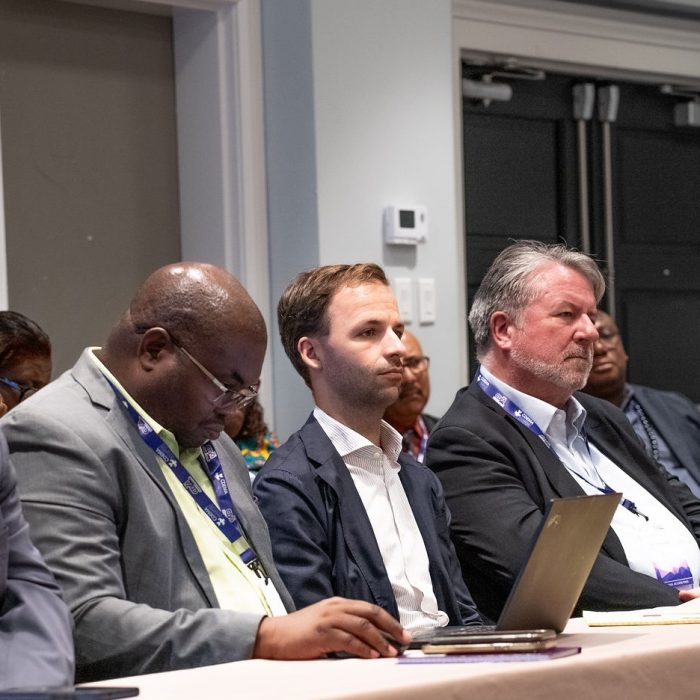
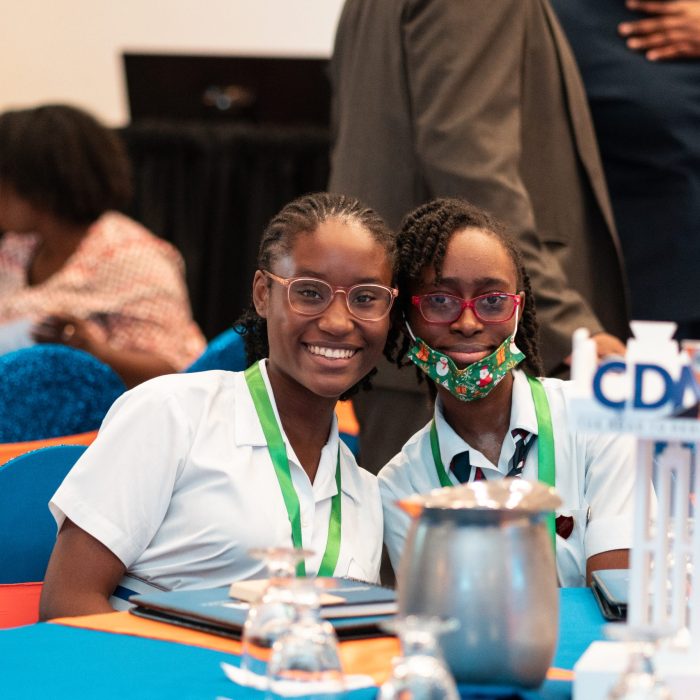
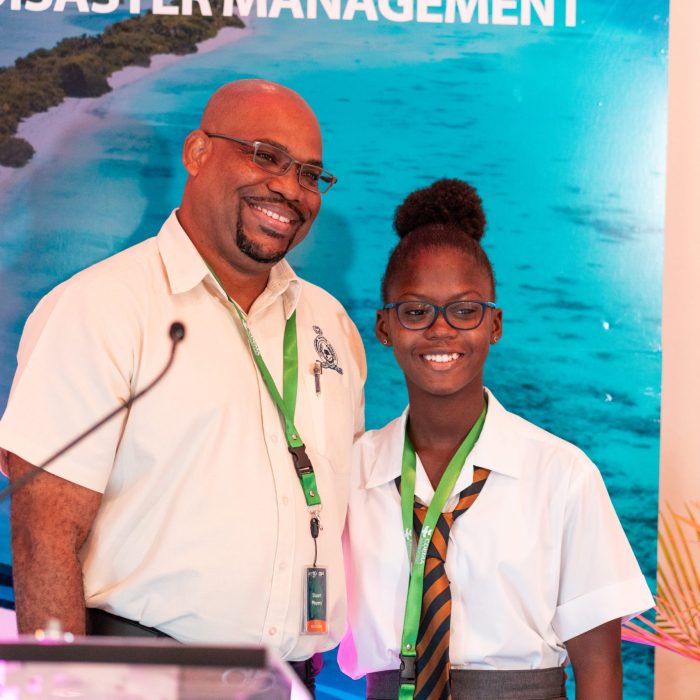
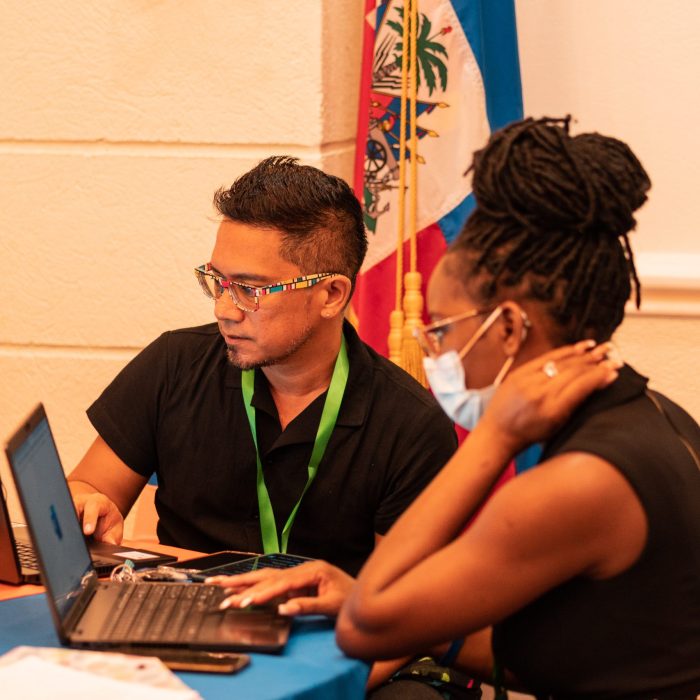
Relive the highlights of our conference through moments captured in time. Explore a vibrant collection of images showcasing inspiring sessions, meaningful connections, and unforgettable experiences.